Brandon Clarke
Privateer Reimagined
Over time it feels as though words and phrases take on new meanings. The same could be said about the word “privateer.” In motocross it used to mean that you were barely surviving, not thriving. Grinding, guessing, duct-taping a career together. The slightly above average rider with a set of brass. While there still are many racers and fans that feel this way, just like definitions, the sport has evolved too.
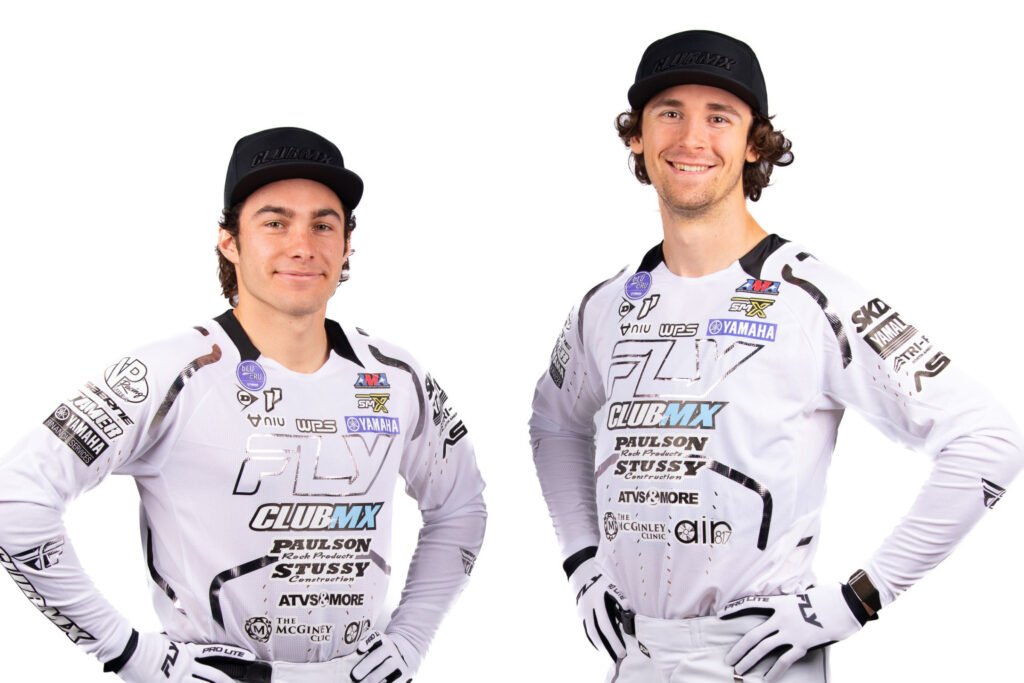
Hunter Yoder bought into that old definition early in life. Mobile home living. Figuring out training on the fly. Doing his best with what he had and hoping it was enough. Then he showed up at ClubMX for 2026 as one of their newest riders. With his arrival, whatever definition we’ve been using for privateer ever since, seems to have fallen apart.
ClubMX, by oldschool definition, is a privateer effort, but in the eyes of Yoder, it’s the best facility a professional racer could ask for.
A House on the Hill (Literally)
Yoder’s first upgrade wasn’t a bike part. It was life.
Instead of a mobile home, he’s now living in a fully included three-bedroom, two-bathroom house overlooking the track and the shop right on ClubMX property. No commute. No scrambling. No wasted energy.
Everything he needs to be a professional racer is within a 20-second drive. Don’t ask me why he drives… but in the world of moto, walking somewhere seems to be the most inconvenient act of all time. Nevertheless, within that 20 seconds is his entire world. Gym. Track. Trainers. Mechanics. Recovery. Nutrition. It’s all there laid out, intentional, and built to remove friction from the day. And that’s the point.
“Training is super easy now,” Yoder says.
Not because it’s a soft cushy program, but because it’s focused. At ClubMX, you don’t spend your mental energy figuring out how to train. You spend it actually training.
Measured, Not Micromanaged
There’s no curfew. No babysitting. But make no mistake, this isn’t a free-for-all. Sleep is tracked. Recovery is monitored. Garmin, Whoop, TrainingPeaks, whatever fitness tracker you choose, all feeding into a system that knows when you’re ready to push and when you need to back off. If the weather is cold and riding gets pushed to noon or later, schedules adjust. Sleep adjusts. Workloads adjust. That’s what professional looks like.
Riding three days a week in the off-season. Two during race season. Built around performance, not burnout. Built around performing best on race weekends and not Instagram clips.
The Margins That Matter
Here’s the part most people gloss over. ClubMX isn’t just tracks and houses. It’s the details. Nutrition plans. Blood work. Body tuning. Health education. The unsexy stuff that factory teams have been quietly using for years while everyone else just rides harder and hopes.
Yoder admits it straight up: he didn’t even realize how much he was missing until he got there. Now? It’s part of the routine. Just like customizing his bike setup to fit him, not some baseline spreadsheet. Comfort. Confidence. Speed. That’s how you stack performance gains without blowing yourself up. Stacking one fundamental along with the next.
In the book Atomic Habits, written by James Clear, there’s a story about Dave Brailsford, the performance director who transformed British Cycling. His theory was if you can change the simplest things leaving no stone unturned to gain a 1% advantage over yesterday, then over the next year that would compound to around a 37.8% increase in performance.
1% better is teammate Coty Schock’s mantra but is felt throughout the team. No stone left unturned.
Expectations Matched
What stands out most when you listen to Yoder talk isn’t just the resources, it’s the balance. At ClubMX, expectations are high. But they’re matched.
He’s got obligations now. Sponsors. Fans. Engagement. And instead of resenting it, he embraces it. Because he understands the ecosystem. Fans support sponsors. Sponsors fund the team. The team provides the platform. That’s not pressure. That’s purpose.
And leadership matters here. Brandon Haas isn’t sitting still; he’s constantly upgrading the facility and the program. Chad Reed is on the bike, translating decades of experience into real-time guidance. Trainers like Ross Muinzer aren’t yelling from the sidelines, they’re leading warm-ups, doing the workouts–probably several times a day–and setting the tone.
It’s not talk. It’s action.
Iron Sharpens Iron
Then there’s the locker room. Yoder and Max Vohland are inseparable, training together every day, pushing each other forward, not trying to win practice. Max stood on the podium last year, and Yoder knows exactly what that means.
Training alongside that level has elevated him to “three or four levels” already. Not hypothetically. Tangibly.
Yoder won’t specifically give a direct top position as a goal marker. But with an 8th as his best finish ever combined with everything at his fingertips, if that 1% math checks out, it’s quite possible to land within the top five or better. Looking at the 250SX West Division provisional entry list, the statistics and programming are in his favor.
Needless to say, with A1 looming, the confidence is real. This isn’t blind optimism. It’s preparation talking.
Still the Boys
And yeah some things don’t change. Like buying a beat-up manual 1989 Honda Accord with the boys and needing help from Ashton Oudman to reconnect wires just to get it running so the boys can rally the back woods of South Carolina. Let’s be honest, no matter how professional the program gets, moto kids are still moto kids and everyone still needs an outlet.
Intentional. Accountable. Equipped.
Hunter Yoder didn’t just change teams. He stepped into a system, one that quietly proves you don’t need factory logos to build a world-class program. You need intention. Resources. Accountability. And people who actually give what they ask out of the rider.
Call ClubMX a privateer team if you want. But understand this: They’re training like one of the best professional race facilities on earth.